
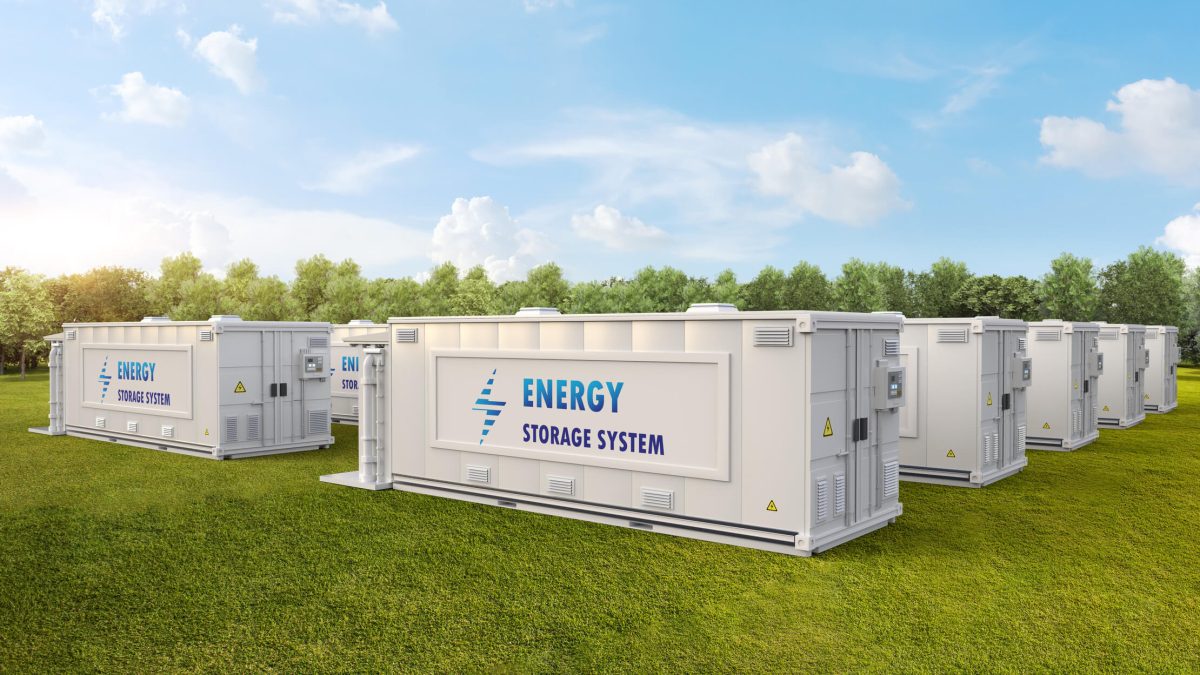
The energy transformation driven by BESS systems
August 4, 2026
With rising electricity demand, battery storage is becoming a key tool in the mining industry to support the electrification of mining operations and increase the share of renewable energy.
The projected increase in electricity demand for the industry is accelerating the development of battery energy storage systems (BESS), a technology that is gaining prominence in supporting mining operations. According to estimates from Cochilco, electricity consumption in copper mining will increase by 20.2% between 2025 and 2034, driven by increasingly intensive processes such as mineral concentration and the use of seawater.
The operations manager of the National Electric Coordinator, Rodrigo Espinoza, explains that these systems are already strengthening the operation of the entire electrical grid. He states that there are currently more than 4,500 MW in operation or testing that allow for the storage of surplus renewable energy, primarily solar, for use during peak demand periods. “BESS systems provide greater flexibility to address the inherent variations in renewable generation, contribute to the balance between supply and demand, and allow for a rapid response to changes in operational conditions,” he says.
For Sebastián Quiñones, director of strategic development at CIL Lithium, the pressure on electricity demand will not come solely from copper. According to figures from the United States Geological Survey (USGS), Chile was the world’s third-largest lithium producer in 2025 and holds 25% of global reserves, while the growth of new projects will increase the energy consumption associated with this mineral. Therefore, he maintains that “its value lies not only in storing daytime solar energy and displacing it at night, but also in enabling a 24/7 mining operation with a 100% renewable energy mix.”
Quiñones adds that the greatest potential of these technologies lies in high-energy-demand processes, such as concentrator plants, desalination, and the management of consumption schedules, where they improve operational continuity and reduce electricity costs by shifting demand away from peak hours.
However, the widespread adoption of these systems still faces challenges. Bernardo Severino, head of studies at the UAI Center for Energy Transition, points out that, although regulatory changes have boosted investment and the development of technical capabilities in the country, it is still necessary to validate technologies, develop new operating models, and have testing infrastructure that allows for the safe integration of a greater number of batteries into the electrical grid. He also suggests that tools such as advanced energy management systems and digital twins will be key to optimizing the use of energy storage within mining operations.
In turn, according to Quiñones, the barrier is also regulatory. Therefore, he emphasizes the need to move forward with “clear rules, sufficient transmission capacity, and a framework that recognizes the real value these systems bring to mining operations.”
Courtesy of Diario Financiero.